A Guide to P2P Payment Systems
P2P payment systems have changed how we send and receive money. These systems allow users to transfer funds directly to each other using mobile apps or online platforms. This process is quick and easy, making it a popular choice for many people. Additionally, P2P payments often come with low fees and instant transfers, enhancing their appeal. They also provide a convenient way to split bills or make payments without needing cash.
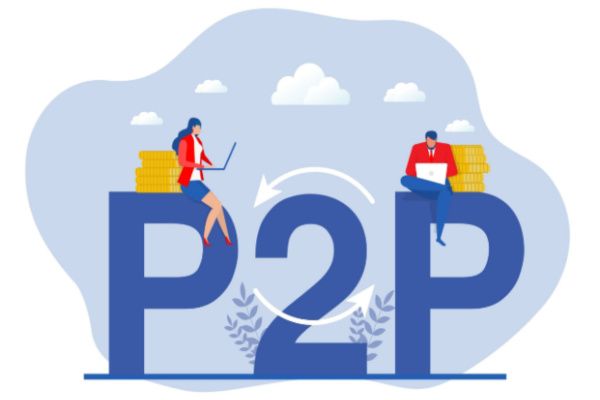
What are P2P Payments?
P2P stands for peer-to-peer. This means that one person sends money directly to another person without needing a bank in the middle. Users can link their bank accounts or credit cards to a P2P app.
Using P2P apps, you can quickly send money to friends or pay for services. For example, if you go out to eat with friends, you can split the bill easily using a P2P app. You just enter the amount and the recipient's information, like their phone number or email address, and the money transfers almost instantly.
How Do P2P Payments Work?
The process of P2P payments is simple. First, users sign up for a P2P service by providing their personal and financial details. After that, they can send money by entering the recipient's information and the amount.
Once the payment is initiated, the app verifies the transaction. It checks if the sender has enough funds and secures the transaction with encryption. After processing, both the sender and receiver get a notification that the transaction is complete. This whole process usually takes just a few seconds.
Benefits of P2P Payments
P2P payment systems offer many advantages:
Speed: Transactions happen almost instantly, unlike traditional bank transfers that can take days.
Convenience: You can send money anytime and anywhere using your smartphone.
Security: Most P2P apps use strong security measures, such as encryption and two-factor authentication, to keep your information safe.
Accessibility: P2P payments allow users to send money across borders, making international transactions easier.
Considerations When Using P2P Payments
While P2P payments are convenient, there are some things to keep in mind. Not all P2P services are the same. Some may charge fees for transactions, especially for instant transfers. It’s also important to choose a service that your friends and family use. This makes it easier to send money back and forth.
Additionally, users should be cautious. Always double-check the recipient's information before sending money. Sending funds to the wrong person can lead to complications, as reversing the transaction may not be possible.
Conclusion
P2P payment systems have made handling money simpler and faster. They fit well into our increasingly cashless world. With just a few taps on a smartphone, users can quickly transfer funds. As more people adopt these systems, they are reshaping the approach to financial transactions. In this evolving landscape, platforms like PowerUp Money can help users manage their finances effectively. They offer tools that complement the ease of P2P transactions, making financial management even more straightforward.